
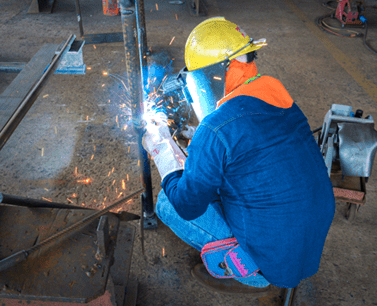
Summer is when flare systems work the hardest, and when they’re least forgiving of a slow response. Higher ambient temperatures, increased throughput to meet seasonal demand, and equipment already running closer to its limits all combine to put more strain on flares at exactly the time of year facilities can least afford a failure. When something does go wrong at 2 a.m. on a Saturday in July, the difference between a contained issue and a serious operational, safety, or compliance event often comes down to how fast qualified help can get on site.
At Liberty Flare, we’ve provided round-the-clock emergency flare support since 1979. Here’s why that availability matters more in summer than at any other time of year, and what facilities should have in place before the season’s demand peaks.
Why Summer Puts More Stress on Flare Systems
Flare systems don’t operate in isolation from the weather or the production schedule around them, and summer conditions compound in a few specific ways.
Higher Ambient Temperatures
Elevated summer temperatures affect combustion dynamics, structural expansion, and the performance of pilots and ignition systems. Components that ran with margin to spare in cooler months can find that margin erased once ambient heat is added to the equation, particularly in the Gulf Coast humidity that Liberty Flare’s home region contends with every summer.
Increased Throughput and Seasonal Demand
Many facilities run at higher utilization during summer months to meet seasonal fuel and product demand. Higher throughput means more gas volume moving through the flare system, less operational slack, and less tolerance for any single component underperforming.
Equipment Already Running Near Capacity
A flare system that’s already operating closer to its design limits has less buffer to absorb a developing issue like a degrading pilot, a partially fouled ignition system, or a guy wire under more load than usual before it becomes a failure instead of a maintenance note.
Compressed Response Windows
When a flare issue does surface under high-load summer conditions, there’s often less time to work with before it affects compliance or safety. A slow response during a low-load winter shoulder season might be an inconvenience. The same delay during peak summer operation can escalate quickly.
What Can Go Wrong And Why It Doesn’t Wait for Business Hours
Flare issues don’t schedule themselves around a maintenance team’s shift. The kinds of problems that show up most often during high-load summer conditions include:
- Pilot and ignition failures under sustained high-demand operation, especially where systems haven’t been serviced ahead of the season’s peak.
- Structural stress on guy wires and support systems, particularly during summer storm activity common along the Gulf Coast.
- Flare tip degradation accelerating faster than expected under sustained high throughput, turning a monitored condition into an urgent one.
- Aviation lighting failures, which carry their own compliance timeline regardless of when they’re discovered.
Any one of these, left unaddressed for even a few hours, can force a facility into a difficult choice between continuing to operate on compromised equipment or curtailing production to manage the risk. Neither option is one a facility wants to be sitting with while waiting for a contractor to answer the phone.
What Real 24/7 Support Actually Looks Like
Not every “emergency service” line delivers the same thing. For flare support to genuinely reduce risk during high-load summer operations, it needs a few things in place before the call ever comes in:
A team that’s actually available, not just listed. Round-the-clock coverage means riggers, welders, technicians, and engineers who can mobilize immediately, not a voicemail that gets returned the next business morning.
Familiarity with the equipment before the emergency. A contractor who’s already inspected and maintained a facility’s flare systems can diagnose and act faster than one seeing the equipment for the first time under pressure.
Access to rental equipment for immediate deployment. When a primary flare needs to come offline unexpectedly, rental flare systems, removable pilot systems, and ground weights allow a facility to stay compliant and operational while permanent repairs are made rather than facing a full stop-work scenario.
Fabrication capability to back up field repairs. Some failures need more than a field fix. Having fabrication and refurbishment capability connected to the same team doing emergency response shortens the path from diagnosis to permanent repair.
The Cost of Not Having It
Facilities without a reliable 24/7 flare partner tend to absorb the cost of summer emergencies in one of a few ways: extended unplanned downtime while a contractor is located and mobilized, elevated safety and compliance exposure from running compromised equipment longer than intended, or premium pricing for last-minute emergency mobilization from an unfamiliar vendor. All three are more expensive (in dollars and in risk) than having emergency coverage already in place before summer load peaks.
How Liberty Flare Supports High-Load Summer Operations
Liberty Flare’s 24/7 emergency service is backed by the same team of riggers, welders, technicians, and engineers who handle scheduled inspections, maintenance, and fabrication work year-round, so when a call comes in during a summer heat wave or a peak-demand weekend, it’s not the first time we’ve seen your equipment. Combined with rental flare and pilot systems available for immediate deployment, we help facilities keep flaring safely and stay compliant, no matter when or how the issue shows up.
Frequently Asked Questions
Why is summer a higher-risk period for flare system failures? Higher ambient temperatures, increased throughput to meet seasonal demand, and equipment operating closer to capacity all reduce the margin a flare system has to absorb developing issues, making failures more likely and more consequential during summer months.
What should a facility have in place before summer flaring demand peaks? Facilities should have a pre-season inspection completed, any known maintenance issues addressed, a relationship with a contractor already familiar with their equipment, and access to rental flare or pilot equipment in case the primary system needs to come offline unexpectedly.
How quickly can 24/7 flare support typically respond? Response time depends on the provider’s mobilization capability and existing familiarity with the facility’s equipment. Contractors who already perform scheduled inspections and maintenance on a facility’s flare system are generally able to respond and diagnose issues faster than a vendor encountering the equipment for the first time.
Do rental flare systems help during summer emergencies? Yes. If a primary flare needs to be taken offline unexpectedly during high-load summer operations, rental flare and removable pilot systems allow a facility to remain compliant and operational while permanent repairs are completed.
Is 24/7 flare support only needed for large facilities? No. Any facility that relies on continuous or high-throughput flaring during summer months carries the same exposure to unplanned failures, regardless of size, and benefits from having emergency support in place before an issue occurs.
Don’t wait for a summer emergency to find out who’s available. Talk to a Liberty Flare specialist about 24/7 coverage and pre-season readiness before high-load operations begin.