
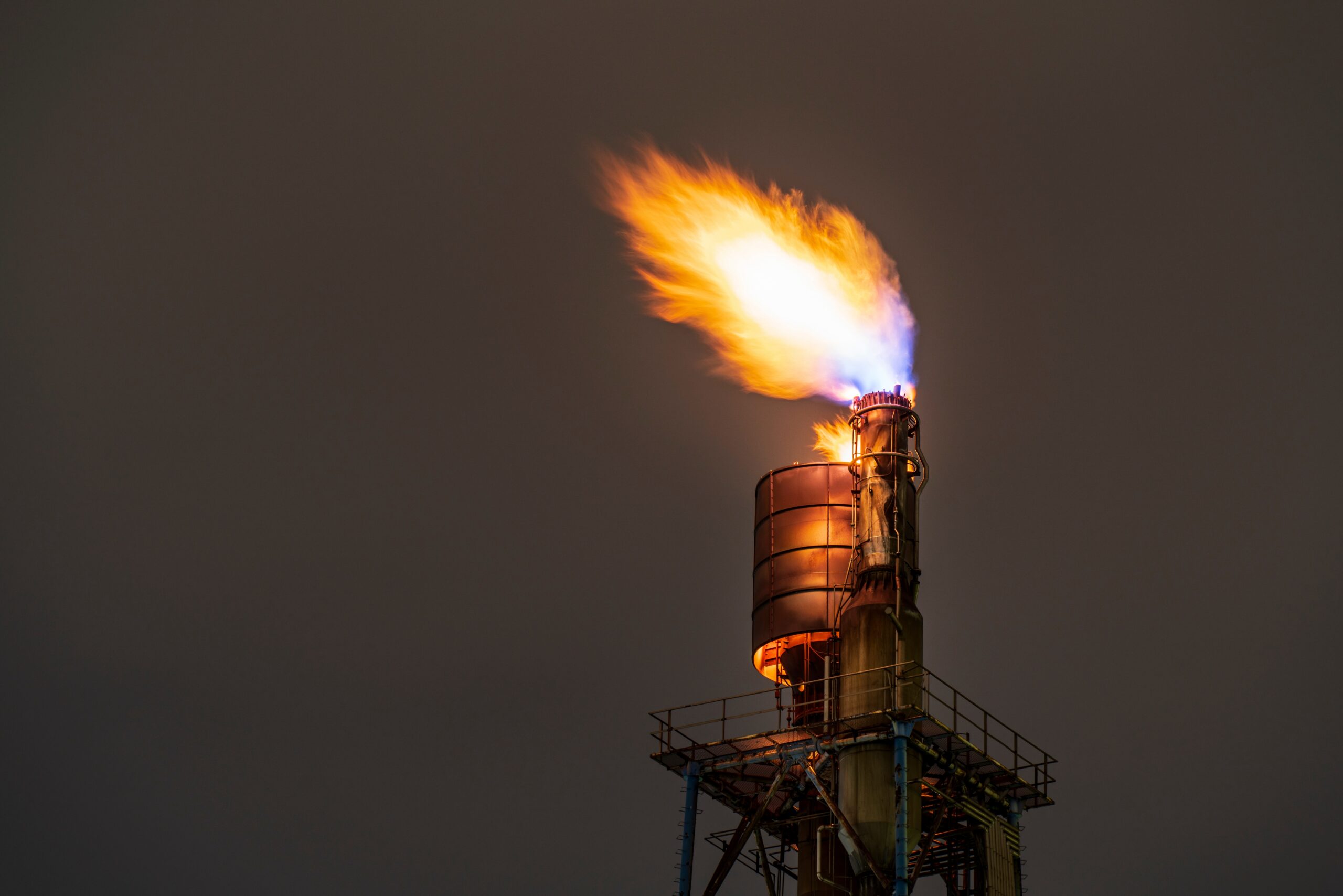
As the end of the year approaches, industrial facilities begin preparing for annual audits, compliance reviews, and maintenance planning. For facilities operating industrial flares, this is an important time to evaluate equipment condition, review maintenance records, and confirm that applicable requirements are being met.
Even a flare system that has operated reliably for years can develop issues. Corrosion, aging components, incomplete documentation, and changes in regulatory requirements can create potential compliance concerns if left unaddressed.
At Liberty Flare, we understand that maintaining reliable flare systems requires more than keeping equipment operational. It also means taking a proactive approach to inspections, maintenance, and documentation.
Here are five areas to review before your next year-end audit.
1. Review Applicable Codes and Regulatory Requirements
The first step in preparing for a flare system compliance audit is confirming which requirements apply to your facility.
Depending on the application, these may include U.S. Environmental Protection Agency (EPA) regulations, Occupational Safety and Health Administration (OSHA) requirements, state and local regulations, operating permits, and applicable industry standards.
Requirements vary based on the facility, process, equipment, and applicable regulatory provisions. Review any changes to permits, operating conditions, equipment configurations, or regulatory obligations since your last assessment.
Ask your team:
- Have applicable regulatory and permit requirements been reviewed?
- Are operating procedures current?
- Have required inspections, monitoring activities, and reports been completed?
- Have relevant changes to equipment or operations been evaluated?
Identifying gaps early gives your team time to investigate and address potential issues before an audit.
2. Inspect Critical Flare System Components
Equipment deterioration can occur gradually, making regular inspections essential for identifying potential problems before they affect reliability or safety.
Review your inspection history and determine whether additional assessments are needed for critical components, including:
- Flare stacks and structures: Check for visible corrosion, damage, and signs of structural deterioration.
- Guy wires and anchors: Evaluate wire condition, tension, corrosion, shackles, and turnbuckles.
- Flare tips: Look for visible physical damage, deterioration, or other signs of wear.
- Ignition and pilot systems: Review the condition of fuel lines, valves, ignition equipment, and applicable monitoring devices.
- Associated equipment: Inspect accessible connections, tubing, and supporting components for damage or deterioration.
Some conditions may not be visible from ground level. Aerial inspections, elevated visual inspections, and specialized testing can provide additional information about components that are difficult to access.
Liberty Flare offers aerial inspections, flare surveys, and guy wire inspections to help operators evaluate equipment condition and identify maintenance needs.
For guyed flare systems, Liberty Flare recommends visually inspecting guy wires at least annually, including checks of corrosion, fraying, lubrication, plumb, and tension.
3. Review Maintenance Records and Outstanding Repairs
An audit should provide a clear picture of how your flare system has been maintained throughout the year.
Review maintenance records to confirm that scheduled work was completed, inspection findings were addressed, and corrective actions were documented.
Pay particular attention to:
- Preventive maintenance activities
- Inspection findings and recommendations
- Repairs to critical components
- Recurring ignition or monitoring issues
- Outstanding work orders and deferred maintenance
- Component replacements and equipment modifications
Recurring problems deserve additional attention. For example, repeated pilot ignition issues may indicate a need for further troubleshooting or component replacement.
If an inspection identified a deficiency earlier in the year, confirm that the recommended corrective action was completed and documented. The goal is to identify patterns, not simply check off completed work orders.
Addressing unresolved maintenance issues before the next operating cycle can help reduce unexpected downtime and give your team more control over repair scheduling.
4. Organize Compliance Documentation
Equipment condition is only part of audit preparation. Facilities must also maintain the records required to demonstrate compliance with applicable regulations, permits, and internal procedures.
Before year-end, verify that relevant documentation is complete, accurate, and accessible.
Depending on your facility’s requirements, records may include:
- Equipment specifications and manufacturer documentation
- Inspection reports and supporting photographs
- Preventive maintenance and repair records
- Applicable monitoring and testing records
- Calibration records for monitoring equipment
- Required environmental reports and operating records
- Documentation of equipment modifications
- Records of completed corrective actions
Not every document applies to every facility. Retention requirements also vary, so confirm the applicable rules and permit conditions rather than relying on a single documentation checklist.
Organizing records in advance helps identify missing information while there is still time to retrieve documentation, investigate discrepancies, and complete outstanding work.
A consistent recordkeeping process also establishes a useful baseline for future inspections and maintenance planning.
5. Plan Maintenance for the Coming Year
A year-end assessment should do more than identify existing deficiencies. It should also help your team prioritize maintenance and improve long-term equipment reliability.
Consider whether your current maintenance strategy adequately addresses the age, condition, and operating demands of your flare system.
Ask yourself:
- Are inspections being performed at appropriate intervals?
- Have recurring equipment problems been fully evaluated?
- Are replacement parts available for critical components?
- Can planned repairs be coordinated with upcoming turnarounds?
- Would equipment upgrades improve maintenance access or reliability?
Proactive planning gives facility teams time to allocate budgets, coordinate contractors, and obtain replacement components before work becomes urgent.
Liberty Flare supports industrial operators with inspection, maintenance, repair, and specialized equipment solutions designed to help minimize downtime and keep projects on schedule.
A flare survey can be a practical starting point for facilities that need a clearer understanding of their equipment condition, maintenance history, and recommended next steps.
Year-End Flare System Audit Checklist
Use this checklist as a starting point for your next compliance review.
- Review applicable regulations, permits, and standards.
- Confirm inspection schedules and review outstanding recommendations.
- Evaluate flare stack, guy wire, and critical component condition.
- Verify completion of required preventive maintenance.
- Document repairs and corrective actions.
- Organize applicable inspection, monitoring, and maintenance records.
- Identify deferred maintenance and prioritize corrective work.
- Schedule inspections and repairs for the coming year.
Remember that this checklist is a planning aid, not a substitute for evaluating the specific requirements that apply to your facility.
Prepare Your Flare System for the Year Ahead
Maintaining a reliable industrial flare system requires consistent attention to equipment condition, maintenance, and compliance documentation.
A year-end assessment provides an opportunity to address outstanding concerns, organize records, and plan maintenance before issues become more costly or disruptive.
With decades of experience in industrial flare systems, Liberty Flare provides inspection, maintenance, repair, and specialized support services to help operators evaluate equipment and plan corrective work.
Don’t wait until an audit uncovers a problem. Contact Liberty Flare to discuss your flare inspection and maintenance needs before year-end.
Explore our inspection services or contact Liberty Flare to get started.
Frequently Asked Questions
How often should an industrial flare system be inspected?
Inspection frequency depends on equipment design, operating conditions, maintenance history, and applicable requirements. Liberty Flare recommends that guy wires be visually inspected at least annually, with additional inspections as needed.
What should a flare system compliance audit include?
A review should cover applicable regulations and permits, equipment condition, inspection and maintenance records, required monitoring documentation, and outstanding corrective actions.
Can a flare system operate normally but still have compliance issues?
Yes. A system may appear to operate normally while having deteriorating components, overdue inspections, incomplete records, or deficiencies in required monitoring and reporting. Equipment condition and documentation should be reviewed together.